What is a Detroit beat and why does the sparse, sample-driven sound of Kooba II's "Crew" define it?
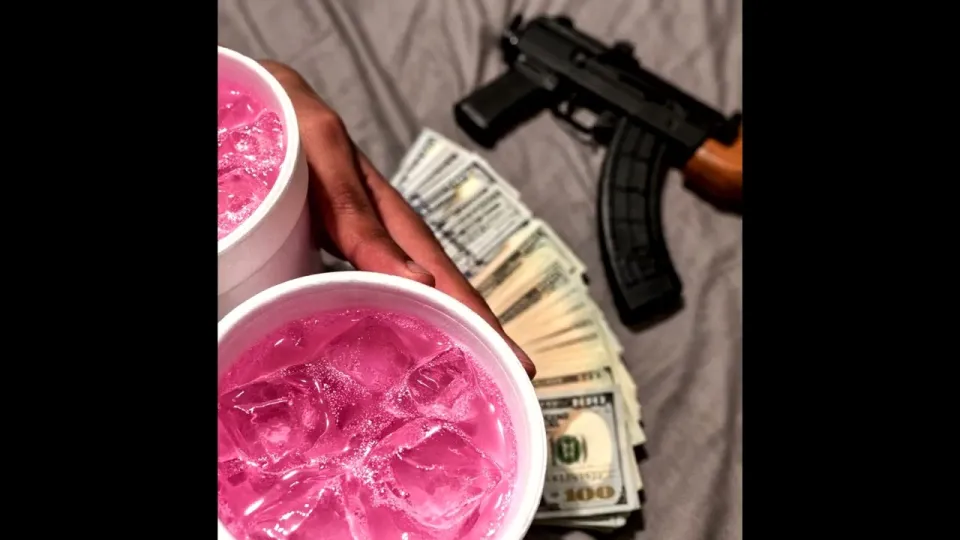
Video: [FREE] Detroit Type Beat x YN Jay Type Beat - "Crew"
Want articles like this for your own video to promote it on YouTube and Google? Order them through the Telegram bot @sat_sit_bot. Articles with your video embedded are written and posted by the bot itself — on popular topical sites (no ads). Try it free: 50 articles on us.
· based on the channel Kooba II
Key takeaways
- A Detroit beat is a sparse, sample-chopped instrumental built for punchline-heavy, off-the-cuff rapping in the vein of YN Jay and Rio Da Yung Og.
- Kooba II's "Crew" is a free Detroit type beat x YN Jay type beat, downloadable untagged via BeatStars.
- Free use covers YouTube and non-monetized SoundCloud only; Spotify, Deezer, Tidal and iTunes require a paid lease.
- Content ID registration is not allowed without an exclusive license, and credit "Prod. Kooba" is mandatory.
- The store runs a buy-two-get-one-free offer on leases at bsta.rs/CPKdUd.
A Detroit beat is a stripped-back, sample-driven rap instrumental built around hard drums, a heavy 808 and enough empty space for punchline-heavy, conversational rapping. Kooba II's "Crew" is a working example of the style: a free Detroit type beat crossed with a YN Jay type beat, available untagged through the BeatStars purchase page, where the store also runs a buy-two-get-one-free deal. The track sits in the lane carved out by Michigan artists who treat the beat as a launchpad rather than a wall of sound.
What defines a Detroit beat in 2026
A Detroit beat is defined less by one tempo than by its economy: few elements, loud drums, and a loop that leaves room for ad-libs and one-liners. Producers in the city's rap scene — and the many outsiders copying it — tend to build from a short sample chop or a simple melodic phrase, then let the 808 and the kick do the talking. The result is music that sounds unfinished on purpose, which is exactly why it suits rappers who record fast and talk directly to the listener.
The style overlaps heavily with Flint rap, and the tags on "Crew" name both Detroit and Flint type beats for that reason. Where a trap beat might stack pads, counter-melodies and vocal textures, a Detroit instrumental often keeps two or three ideas running and trusts the vocal to fill the rest. That restraint is the genre's signature, and it is also what makes these beats so easy to rap over for newcomers.
How "Crew" is built and who it suits
"Crew" is a free Detroit sample type beat aimed at rappers working in the YN Jay mold, with Rio Da Yung Og and Babyface Ray-adjacent territory nearby. The title and the tag list point at a specific use case: punchline-driven records where the rapper carries the energy and the beat stays out of the way. Kooba II labels it both a Detroit type beat and a YN Jay type beat, which tells you the intended flow pocket — loose, conversational, heavy on repeated phrases and ad-libs.
Practically, a beat like this works for three kinds of records:
- Freestyle-style singles where the rapper records in one or two takes and keeps the mistakes.
- Punchline tracks built around a hook that repeats a single word or phrase.
- Posse cuts — the name "Crew" invites several verses trading bars over the same loop.
Because the arrangement is sparse, the mix matters more than usual. Vocals sit forward, ad-libs fill the gaps, and the 808 has to hit without swallowing the kick. That is the same reason Detroit instrumentals translate well to cheap microphones and home studios: there is little in the beat to fight with the voice.
Free download versus lease: the exact terms
The free version of "Crew" is for non-profit use only, which in practice means YouTube videos and SoundCloud uploads without monetization. Streaming services — Spotify, Deezer, Tidal, iTunes and similar platforms — are explicitly excluded from the free license. If a song built on the beat is going to earn money anywhere, a lease must be purchased first.
Three rules apply to every use of the free file:
- Credit is mandatory: the beat must be labeled "Prod. Kooba".
- Content ID registration is not permitted without an exclusive license, so distributors cannot claim the instrumental as their own.
- Breaking these terms results in a copyright strike rather than a warning.
The untagged version, with no producer voice tag over the instrumental, is the paid file sold through the purchase link. That distinction matters for anyone planning a release: the free download carries the tag, the lease does not.
Common questions from rappers using the beat
Rappers arriving at a Detroit type beat usually ask the same handful of things, and the comment thread under "Crew" reflects that. Many listeners hear the intro and immediately want to write to it, which is the clearest sign that the loop works — the first few seconds are doing the job of a hook before any vocals exist. Others compare the sound to existing records, trying to place which artist or scene it belongs to, which is normal for a genre built on shared templates.
A second cluster of questions is legal rather than musical. People want to know whether a free type beat can go on streaming platforms (it cannot without a lease), whether they need to credit the producer (they do), and whether they can register the song with Content ID (not without an exclusive license). A third cluster is practical: how to get the untagged file, and whether there are deals. The store answers the last one with a buy-two-get-one-free offer, which effectively makes a three-track EP cheaper than three separate leases.
The non-English lyrics pasted in the comments — verses in Portuguese, Serbian, Turkish, Italian, French and Spanish — are worth noting for a different reason: they show the beat traveling well beyond Michigan. A sparse Detroit instrumental does not lock a rapper into a specific language or accent, because the pocket is rhythmic rather than melodic.
How to get the most out of a Detroit type beat
Getting a strong result from a beat like "Crew" comes down to matching your delivery to the space the producer left. Three habits help:
- Write to the loop, not the drums. The sample or melodic phrase is the identity of the track; the drums are there to support it.
- Keep the hook short. Detroit-style records often repeat four to eight words and let ad-libs carry the rest.
- Leave the gaps. Silence between bars is part of the sound, and filling every pocket with words flattens the delivery.
If you plan to release commercially, sort the paperwork before you record, not after. Buy the lease, keep the receipt, credit "Prod. Kooba" in the title or description, and avoid Content ID entirely unless you hold an exclusive license. That sequence prevents the most common problem in this scene: a finished song that cannot be uploaded because the beat was downloaded under the free terms.
Useful links
- Purchase the untagged beat "Crew" on BeatStars — buy two, get one free.
- Kooba II on Instagram — new beats and updates.
- Kooba's BeatStars store — full catalog and license options.
Final thoughts on the Detroit beat formula
"Crew" shows why the Detroit beat has become one of the most imitated sounds in rap: it is cheap to make, easy to rap over, and it puts the artist in front. Kooba II's take keeps the arrangement lean, tags it clearly for the YN Jay and Flint lanes, and sets straightforward terms — free for non-monetized uploads, paid lease for streaming, credit required. If you want the clean file, grab the untagged version here and check the buy-two-get-one-free offer before you commit to a project. This breakdown was put together by the team behind the Kooba II channel, which publishes these type beats and their licensing details.
Source: [FREE] Detroit Type Beat x YN Jay Type Beat - "Crew" · Markdown version
Questions & answers
Can I put a song made on this free Detroit type beat on Spotify?
No. The free license covers YouTube and non-monetized SoundCloud uploads only. Spotify, Deezer, Tidal, iTunes and other streaming services require a purchased lease, which you can get through the BeatStars link in the description.
Do I have to credit Kooba if I use the beat?
Yes, credit is mandatory on every use. Put "Prod. Kooba" in the title or description of the upload, and keep the credit on any release built from the instrumental.
Why does the beat sound empty compared with other trap beats?
That sparseness is the point of the Detroit style. A short sample loop plus hard drums and 808 leaves room for punchlines, ad-libs and a conversational delivery, which is how YN Jay and similar artists use these instrumentals.
Can I register my song with Content ID?
Not without an exclusive license. Content ID registration on a leased or free beat leads to a copyright strike, so leave the instrumental out of any Content ID claim unless you have bought exclusivity.